What Happens to Your Home When You Pass Away in New Mexico?
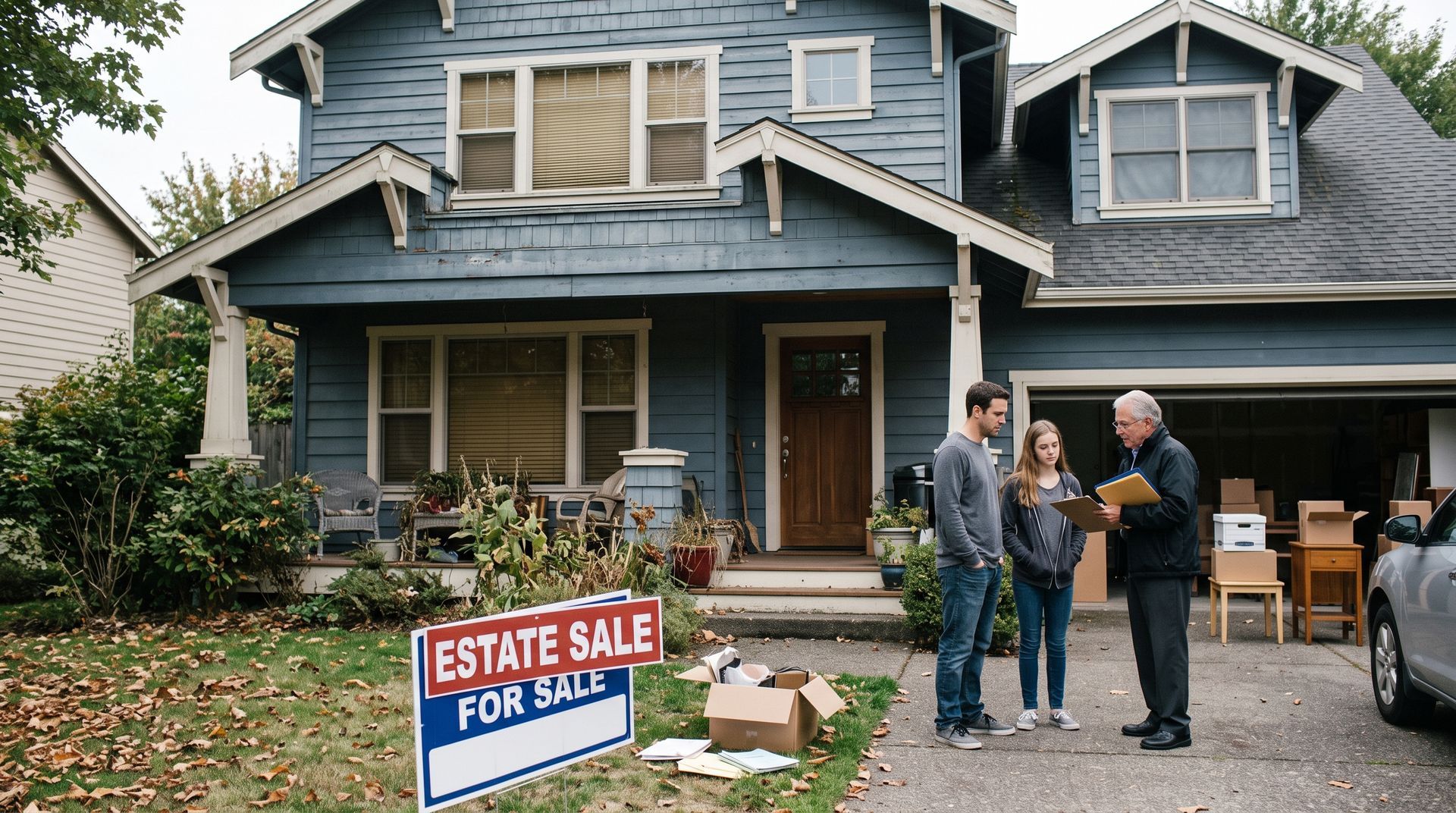
For many families, a home is more than just a piece of real estate. It is often the most valuable asset in an estate and carries significant emotional importance. When someone passes away, one of the first questions family members ask is, "What happens to the house?"
The answer depends on several factors, including how the property is titled, whether a will exists, whether a trust was established, and whether there are surviving co-owners or beneficiaries.
Understanding how New Mexico law handles real estate after death can help homeowners make informed estate planning decisions and help families navigate the process when a loved one passes away.
Why Real Estate Often Creates Estate Planning Challenges
Homes frequently become the most complicated asset in an estate because they involve:
- Legal ownership records
- Mortgage obligations
- Insurance requirements
- Property taxes
- Multiple family interests
Without proper planning, transferring a home can take months and sometimes longer.
Fortunately, there are several ways to simplify the process.
The First Question: How Was the Home Owned?
The way a home is titled often determines what happens after death.
Common ownership structures include:
- Sole ownership
- Joint tenancy
- Community property
- Ownership through a trust
- Transfer-on-death deeds
Each method produces different outcomes.
If You Own the Home by Yourself
When a person owns a home solely in their own name, the property generally becomes part of their probate estate after death.
This means:
- The property cannot immediately transfer to heirs
- Probate proceedings are typically required
- The court oversees the transfer process
If there is a valid will, the home will eventually transfer according to the will's instructions.
If there is no will, New Mexico intestate succession laws determine who inherits.
If You Have a Will
A will can specify who should receive the home after your death.
For example, a will may state that:
- The home goes to a spouse
- The home passes to children
- The property is sold and proceeds distributed
- Multiple beneficiaries inherit equal interests
However, even with a valid will, probate is generally still required.
Many people mistakenly believe a will avoids probate.
In reality, a will guides the probate process but does not eliminate it.
If You Die Without a Will
If you die without a will, New Mexico intestate succession laws control who inherits the property.
The outcome depends on your family circumstances.
Potential heirs may include:
- A surviving spouse
- Children
- Parents
- Siblings
- Other relatives
The results may differ significantly from what you would have wanted.
This is one reason estate planning is so important.
If the Home Is Held in a Living Trust
A properly funded living trust often provides one of the smoothest property transfer methods.
When a home is owned by a trust:
- Probate is usually avoided
- The successor trustee manages the transfer
- Court involvement is minimized
- Privacy is maintained
The trust instructions determine who receives the property.
Many Albuquerque homeowners create trusts specifically to avoid probate for their homes.
If the Home Is Jointly Owned
Joint ownership may simplify transfers in some situations.
If property is held with rights of survivorship, the surviving owner often becomes the sole owner automatically.
Examples include:
- Married couples
- Joint tenants
- Certain community property arrangements
The surviving owner generally records paperwork updating ownership after the death.
Probate may be unnecessary for the deceased owner's interest.
What Is a Transfer-on-Death Deed?
New Mexico allows certain homeowners to use a Transfer-on-Death (TOD) Deed, sometimes called a Beneficiary Deed.
This document allows you to name who will receive your property when you die.
Benefits include:
- Probate avoidance
- Continued ownership during life
- Ability to revoke the deed
- Simplified transfers
Many homeowners find TOD deeds attractive because they are relatively simple compared to other planning options.
However, they are not always the best solution for every family.
Can Heirs Sell the Home Immediately?
Not always.
The ability to sell depends on:
- Ownership structure
- Probate status
- Estate debts
- Court requirements
If probate is required, the personal representative may need court authority before a sale can occur.
If the home is in a trust, the trustee often has broader authority to manage or sell the property.
What Happens If There Is Still a Mortgage?
A mortgage does not disappear when the owner dies.
Several possibilities may occur:
- Heirs continue making payments
- The home is refinanced
- The property is sold
- The lender is paid from estate assets
Federal laws often provide protections allowing certain heirs to assume mortgage obligations without triggering immediate repayment demands.
Each situation should be evaluated individually.
Who Pays Property Taxes and Expenses?
Until ownership is transferred, someone must continue paying:
- Mortgage payments
- Property taxes
- Insurance premiums
- Utility bills
- Maintenance expenses
Typically, the estate or trust is responsible for these obligations during administration.
Failing to maintain the property can create financial problems for beneficiaries.
What If Multiple Children Inherit the Home?
This situation often creates challenges.
Questions may include:
- Should the property be sold?
- Can one child buy out the others?
- Who pays maintenance costs?
- How will decisions be made?
Without clear instructions, disputes can arise quickly.
Trust planning often provides more flexibility for handling these situations.
Common Problems Families Encounter
Several issues commonly arise after a homeowner passes away.
Probate Delays
Probate can slow property transfers for months.
Disagreements Among Heirs
Family members may disagree about whether to keep or sell the home.
Outdated Estate Plans
Old wills and beneficiary designations can create confusion.
Failure to Plan
Many homeowners assume their family will "figure it out."
Unfortunately, lack of planning often leads to unnecessary stress and expense.
How Estate Planning Can Simplify Home Transfers
Several tools can make transferring a home significantly easier.
Options may include:
- Revocable living trusts
- Transfer-on-death deeds
- Updated wills
- Proper ownership structuring
- Coordinated beneficiary planning
The best strategy depends on your goals and family circumstances.
Real Albuquerque Example
An Albuquerque homeowner passed away leaving a home valued at approximately $425,000.
Although she had a will, the property remained titled solely in her name.
As a result, the home had to pass through probate before ownership could transfer to her children.
The process took nearly ten months and delayed the eventual sale of the property.
Had the home been transferred into a revocable living trust before death, the family likely could have avoided probate and completed the transfer much more quickly.
How Often Should You Review Real Estate Planning?
Real estate planning should be reviewed whenever:
- You buy or sell property
- You get married
- You get divorced
- A beneficiary dies
- Your family situation changes
- Estate laws change
Periodic reviews help ensure your plan remains effective.
FAQ: What Happens to a House After Death in New Mexico?
Does a house automatically go to family members after death?
Not necessarily. The transfer process depends on ownership structure and estate planning documents.
Does a will avoid probate for a house?
No. A will directs probate but generally does not eliminate it.
Can a trust avoid probate for a home?
Yes. Properly funded trusts often allow homes to transfer outside probate.
What happens if there is no will?
New Mexico intestate succession laws determine who inherits.
What is the easiest way to transfer a home after death?
Many families use living trusts or transfer-on-death deeds to simplify transfers and avoid probate.
Call to Action
Your home is likely one of your most valuable assets. Proper estate planning can help ensure it passes smoothly to the people you care about while avoiding unnecessary court delays and expenses.
At Hernandez Law, LLC, we help Albuquerque homeowners create customized estate plans that protect real estate, avoid probate, and provide peace of mind.
Call (505) 228-5912 today to schedule a consultation.
Hernandez Law, LLC
1331 Park Ave SW Unit #908
Albuquerque, NM 87102
By appointment only.
Recent Posts

Schedule a Confidential Appointment
You will meet one-on-one. Your situation will be treated with discretion. Whether you are trying to get your own affairs in order or you are dealing with the estate of someone who has passed, reaching out is the first step toward clarity. Call or email to request your appointment.