When Should You Update Your Will or Trust?
Learn When and Why you should Update your Will or Trust

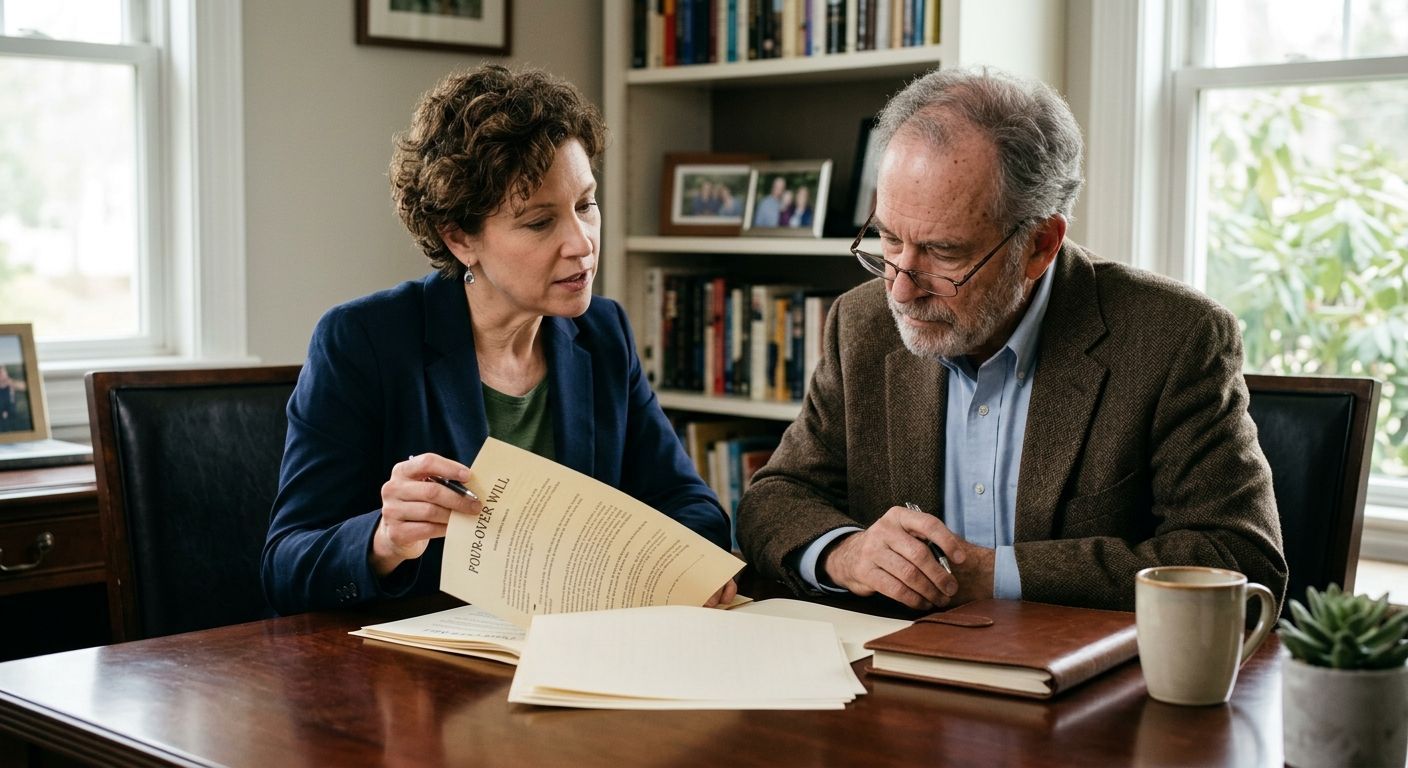
Creating a will or trust is a smart step toward protecting your family and assets — but it’s not a “set it and forget it” document. As your life changes, so should your estate plan. If you live in New Mexico and haven’t reviewed your will or trust in a few years, now might be the time.
In this article, we’ll explain when you should update your will or trust, why it’s important, and how to make changes properly.
Why Updating Your Estate Plan Matters
An outdated will or trust can:
- Fail to include new beneficiaries (like children or grandchildren)
- Name an executor or trustee who is no longer suitable
- Conflict with new laws or tax rules
- Cause disputes or delays in probate or trust administration
Keeping your estate plan current ensures your wishes are honored and your loved ones are protected — without unnecessary court battles or confusion.
10 Reasons to Update Your Will or Trust
Here are the most common reasons people in Albuquerque and beyond should revise their estate plan:
1. Marriage or Divorce
A new spouse should be added to your estate plan. Likewise, if you divorce, you’ll likely want to remove your ex from any decision-making roles or beneficiary designations.
2. Birth or Adoption of Children or Grandchildren
New family members should be added as beneficiaries. You may also want to designate guardians for minor children or update distribution instructions.
3. Death of a Beneficiary, Executor, or Trustee
If someone you’ve named in your will or trust passes away, you’ll need to replace them to avoid gaps in your plan.
4. Major Financial Changes
A significant increase or decrease in wealth, sale of property, or inheritance should trigger a plan review. Trusts may need to be funded with new assets.
5. Moving to or from New Mexico
Estate laws vary by state. If you’ve relocated, your documents should be reviewed to ensure they comply with New Mexico law.
6. Changes in Tax Laws
Federal or state tax law changes can affect estate taxes, capital gains, and more. Updates may be needed to maximize protections or minimize liability.
7. A Change in Relationships
Falling out with a named beneficiary or losing trust in an executor or trustee means it's time to update your documents.
8. Establishing a Business or Investment
You may want to place a business interest into a trust or make succession plans for future ownership.
9. Health Issues or Aging
Planning for incapacity becomes more important with age or illness. This includes updating your power of attorney and healthcare directive as well.
10. It's Been More Than 3–5 Years
Even if nothing major has changed, it’s smart to review your will or trust every few years to make sure it still reflects your wishes.
What Parts of a Will or Trust Can Be Updated?
Depending on the situation, you may need to revise:
- Beneficiaries
- Distribution instructions
- Personal representative or trustee
- Guardian designations
- Power of attorney or healthcare agent
- Property and assets listed in the trust
Revocable trusts are flexible and can be amended or restated at any time while you're alive and mentally competent.
How to Legally Update Your Will or Trust in New Mexico
For Wills:
- Create a codicil (a legal amendment to your will), or
- Draft a new will that revokes the old one
For Trusts:
- Use an amendment to change specific terms, or
- Do a full restatement if you’re making many changes
Important: Don’t mark up or edit your original documents by hand. This can create confusion or even invalidate your plan. Work with an attorney to ensure updates are done properly.
Real Client Example – Albuquerque Couple Updates After Grandchild Is Born
A couple in the East Mountains created their estate plan in 2018. After the birth of their first grandchild, they reached out to Hernandez Law, LLC to update their trust.
We helped them:
- Add the grandchild as a future beneficiary
- Adjust distributions to include college funding
- Update their power of attorney after a trusted friend moved out of state
Their plan is now current and aligned with their growing family.
FAQ – Updating Your Will or Trust in New Mexico
How often should I update my estate plan?
At least every 3–5 years, or after major life events like marriage, divorce, births, deaths, or moving to another state.
Do I need to rewrite the entire trust to make a change?
Not always. Many changes can be made with a simple amendment. For multiple updates, a full restatement may be more efficient.
Is a handwritten change to a will legal?
In most cases, no. Handwritten edits may not meet legal standards and could invalidate your will.
Will I need witnesses or notarization to update documents?
Yes. Updates must be executed with the same legal formality as the original documents — usually requiring signatures and notarization.
What if I can’t find my original will or trust?
You may need to execute a new version. Always store estate planning documents in a safe, accessible place and inform your executor or trustee.
Call to Action – Keep Your Plan Current, Clear, and Legally Sound
Your life changes — and your estate plan should change with it. At Hernandez Law, LLC, we help Albuquerque families review and update their wills and trusts to stay legally protected and future-ready.
Call (505) 228-5912 or email dnhnm@yahoo.com today to schedule your plan review.
Serving Albuquerque and surrounding communities – by appointment only.
Recent Posts


Schedule a Confidential Appointment
You will meet one-on-one. Your situation will be treated with discretion. Whether you are trying to get your own affairs in order or you are dealing with the estate of someone who has passed, reaching out is the first step toward clarity. Call or email to request your appointment.