Can a Will Be Contested in New Mexico?
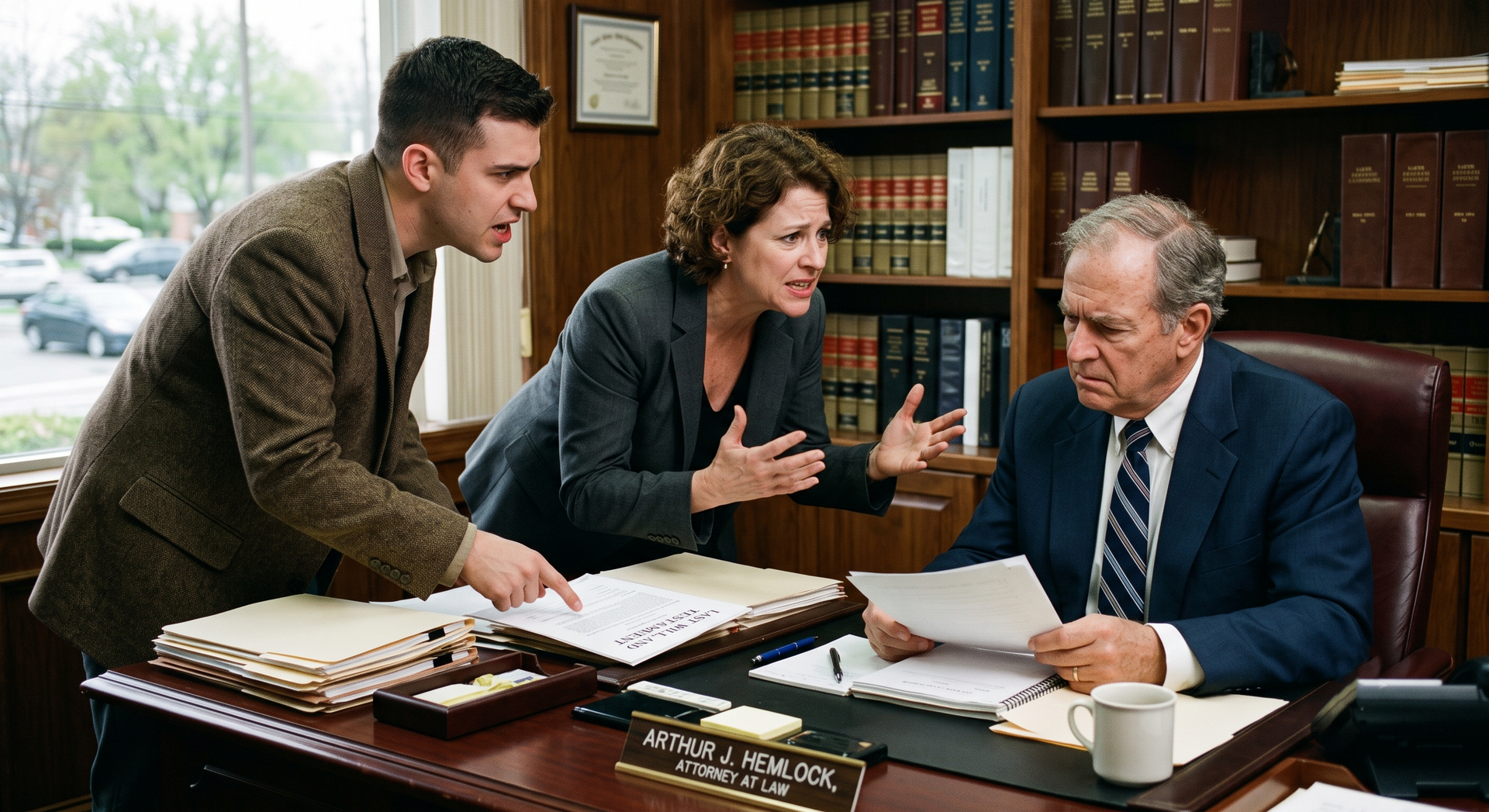
Many people assume that once a will is signed, it is final and cannot be challenged. Unfortunately, that is not always the case. Under New Mexico law, a will can be contested under certain circumstances. While most wills pass through probate without any issues, disputes do arise, especially when family members disagree about inheritances, question the validity of a document, or believe someone exerted improper influence over the person who created the will.
If you are creating a will, understanding how contests occur can help you take steps to protect your wishes. If you are involved in a probate dispute, knowing your rights can help you make informed decisions.
What Does It Mean to Contest a Will?
A will contest is a legal challenge filed during probate. The person contesting the will asks the court to determine whether the document is legally valid.
The court does not overturn a will simply because someone is unhappy with the outcome. Instead, the person challenging the will must present legal grounds and supporting evidence.
Will contests are often emotionally charged because they occur during an already difficult time for families. These disputes can significantly delay probate and increase costs for everyone involved.
Who Can Contest a Will in New Mexico?
Not just anyone can challenge a will.
Generally, a person must have a legal interest in the estate. This may include:
- Spouses
- Children
- Grandchildren
- Other heirs
- Beneficiaries named in a previous will
- Individuals who would inherit if no will existed
For example, if a child was included in an earlier will but removed from a later version, that child may have standing to challenge the newer document.
Common Grounds for Contesting a Will
Common Grounds for Contesting a Will
Lack of Mental Capacity
One of the most common reasons for a will contest is the claim that the person signing the will lacked mental capacity.
To create a valid will, a person generally must understand:
- The nature of their property
- Who their heirs are
- The purpose of the will
- The effect of signing the document
A diagnosis of dementia or Alzheimer's disease does not automatically invalidate a will. However, evidence showing that the person did not understand what they were doing at the time of signing may support a challenge.
Undue Influence
Undue influence occurs when someone pressures or manipulates a person into changing their estate plan.
Examples may include:
- Caregivers isolating elderly individuals
- Family members making threats
- Individuals exerting excessive control over decisions
- Manipulating someone during periods of illness or vulnerability
These cases can be difficult to prove because the influence often occurs behind closed doors.
Fraud
Fraud occurs when someone deceives the person creating the will.
Examples include:
- Misrepresenting facts
- Concealing important information
- Tricking someone into signing a document
- Presenting a document as something other than a will
If fraud is proven, the court may invalidate all or part of the will.
Improper Execution
New Mexico law establishes specific requirements for creating a valid will.
Generally, a will must:
- Be in writing
- Be signed by the testator
- Be witnessed by two qualified witnesses
If these requirements are not met, the will may be challenged.
Even minor technical errors can create problems during probate.
Forgery
Forgery involves falsifying a signature or altering a document without authorization.
Examples include:
- Fake signatures
- Altered pages
- Unauthorized revisions
- Fraudulent substitutions
Courts take allegations of forgery extremely seriously.
How Often Are Wills Successfully Contested?
nt source.
Many people threaten to contest wills, but relatively few challenges succeed.
Courts generally respect a person's right to distribute property as they choose. The person contesting the will bears the burden of proving legal grounds for invalidation.
Because the burden of proof can be difficult to meet, many contests are dismissed or settled before trial.
What Happens If a Will Is Invalidated?
If a court determines that a will is invalid, several outcomes are possible.
The court may:
- Enforce a prior valid will
- Invalidate only certain provisions
- Apply New Mexico intestacy laws if no valid will exists
When no valid will remains, the estate is distributed according to state law rather than the deceased person's wishes.
This is one reason why proper estate planning is so important.
Can a No-Contest Clause Prevent Challenges?
Many wills include a "no-contest clause."
This provision generally states that a beneficiary who unsuccessfully contests the will forfeits their inheritance.
While these clauses may discourage challenges, they are not always effective in every situation. Courts may still permit contests when valid legal concerns exist.
An experienced estate planning attorney can explain whether a no-contest clause makes sense in your situation.
How to Reduce the Risk of a Will Contest
Although no estate plan is completely immune from challenges, several strategies can significantly reduce the risk.
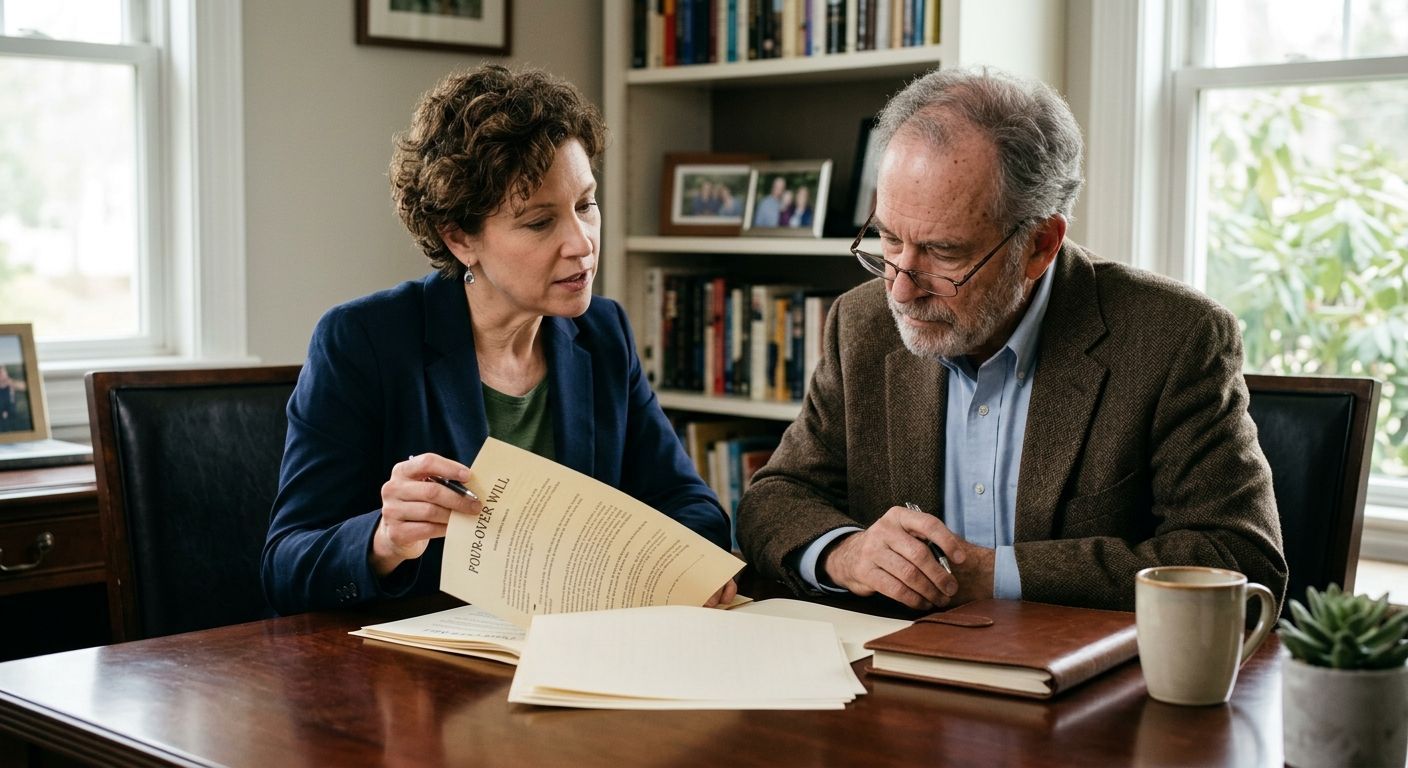
Work With an Estate Planning Attorney
Professionally prepared wills are often more difficult to challenge.
An attorney helps ensure:
- Legal compliance
- Proper execution
- Clear language
- Accurate documentation
Keep Your Estate Plan Updated
Outdated documents often create confusion and disputes.
Review your estate plan after:
- Marriage
- Divorce
- Birth of children
- Death of beneficiaries
- Major financial changes
Document Mental Capacity
If there may be future concerns about capacity, documenting competency at the time of signing can be extremely valuable.
Some clients choose to obtain:
- Medical evaluations
- Physician letters
- Witness statements
These records may help defend against future challenges.
Communicate With Family
Many will contests stem from surprises.
When appropriate, discussing estate planning decisions with family members may reduce misunderstandings and resentment.
Consider a Living Trust
Trusts often reduce opportunities for probate-related disputes.
Since trust administration occurs outside traditional probate court, challenges can be more difficult and less common.
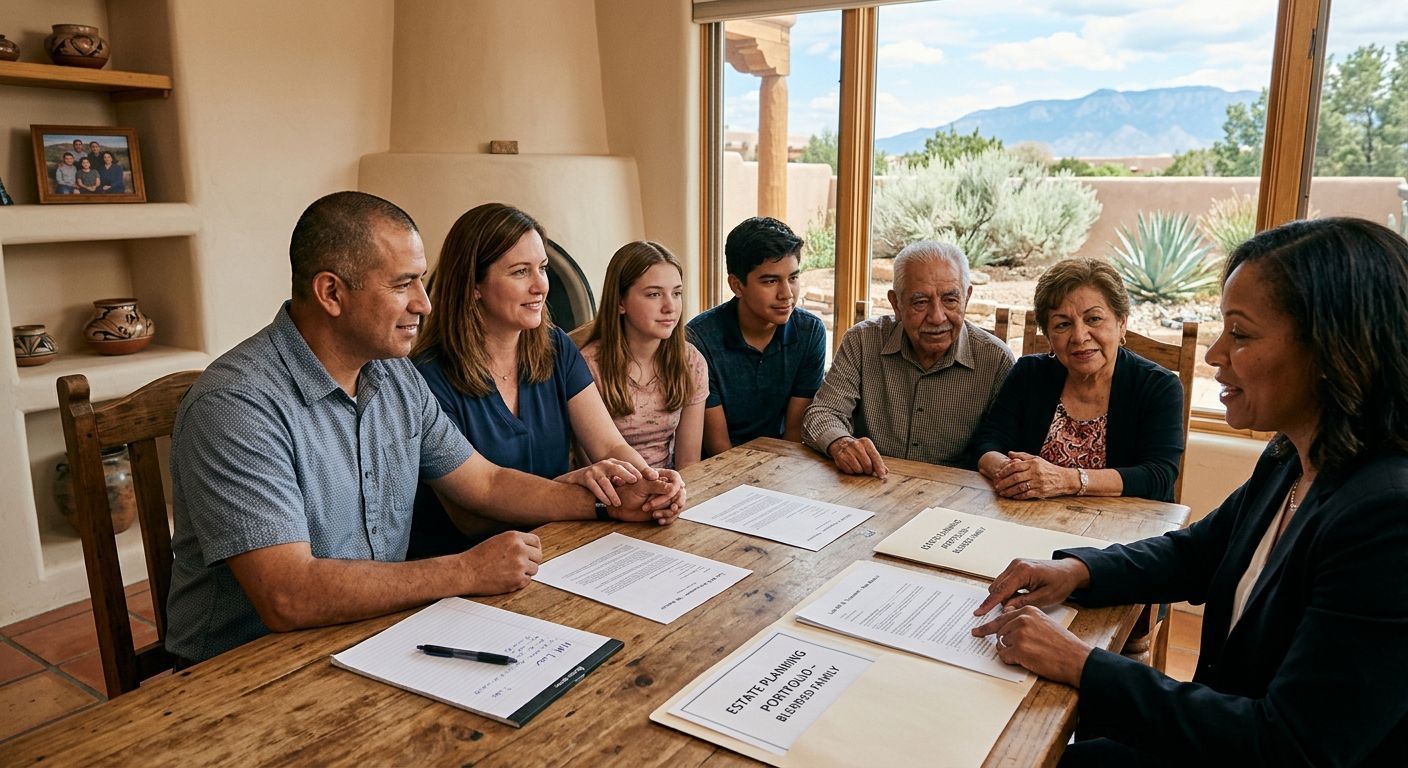
Many Albuquerque families use trusts specifically to reduce future conflict.
Real Albuquerque Example
An Albuquerque resident revised her will several years before her death, leaving a larger share of her estate to one child who had become her primary caregiver.
After her passing, other family members challenged the will, claiming undue influence.
Because the will had been prepared by an attorney and signed properly with independent witnesses, the court found no evidence of wrongdoing. The will was upheld, and probate proceeded according to her wishes.
This example highlights the value of proper legal planning and documentation.
FAQ: Contesting a Will in New Mexico
Can anyone challenge a will?
No. Only individuals with a legal interest in the estate generally have standing to contest a will.
How long do I have to contest a will?
Deadlines vary depending on the circumstances and stage of probate. Prompt legal advice is important.
Can I contest a will because it is unfair?
Not usually. A will must be challenged on valid legal grounds, not simply because someone dislikes the distribution.
What is the most common reason wills are contested?
Claims involving lack of capacity and undue influence are among the most common.
Can a trust be contested too?
Yes. Although trusts often reduce disputes, they can still be challenged under certain circumstances.
Call to Action
If you are concerned about protecting your estate plan or are facing a probate dispute, Hernandez Law, LLC can help.
We assist Albuquerque families with wills, trusts, probate administration, and estate planning strategies designed to minimize future conflicts.
Call (505) 228-5912 today to schedule a consultation.
Hernandez Law, LLC
1331 Park Ave SW Unit #908
Albuquerque, NM 87102
By appointment only.
Recent Posts

Schedule a Confidential Appointment
You will meet one-on-one. Your situation will be treated with discretion. Whether you are trying to get your own affairs in order or you are dealing with the estate of someone who has passed, reaching out is the first step toward clarity. Call or email to request your appointment.