
How to Write a Legally Valid Will in New Mexico
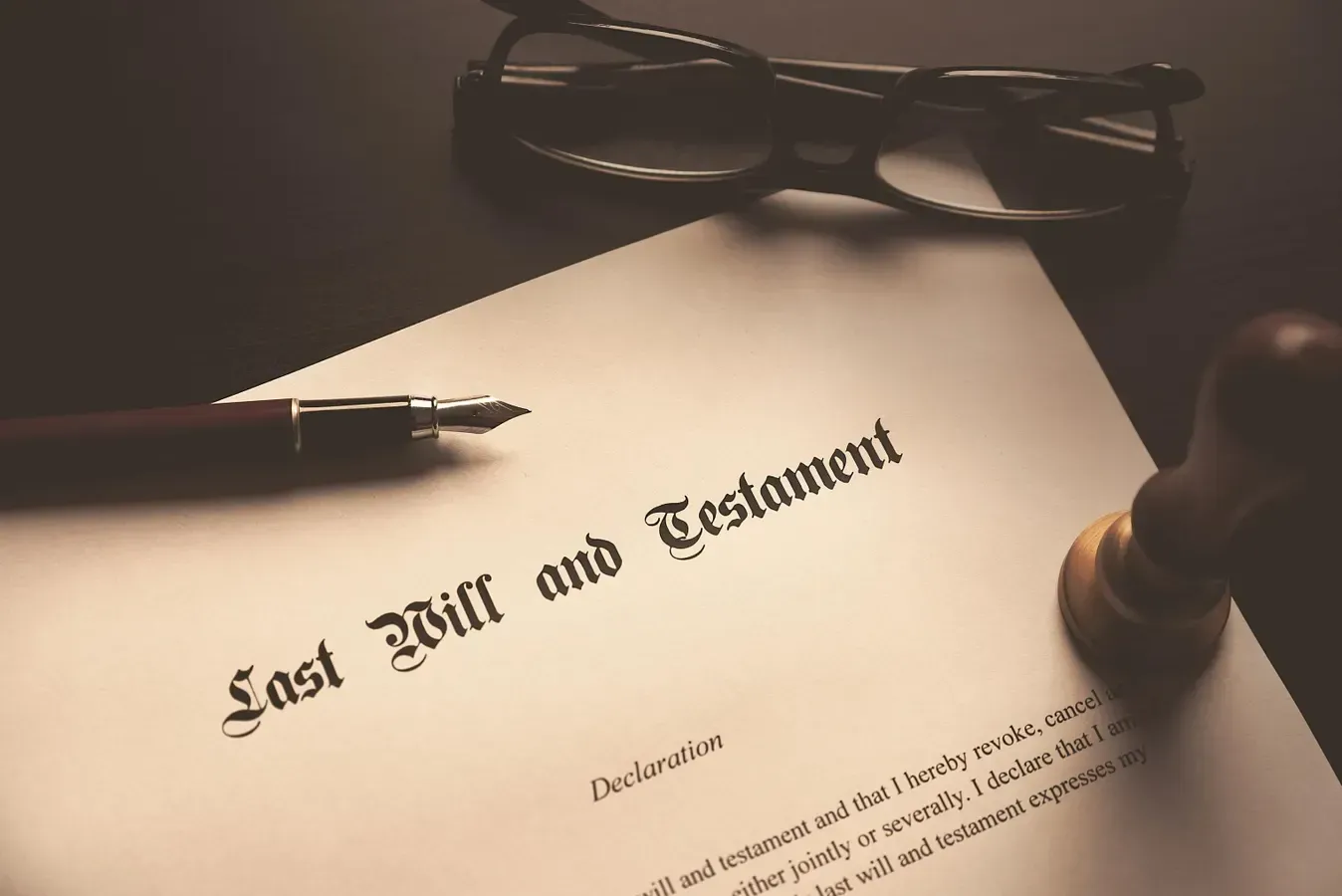
Creating a legally valid will in New Mexico ensures that your assets are distributed according to your wishes — not left up to the courts. Whether you're planning for the future or managing estate decisions for a loved one, this guide will walk you through the essential steps for writing a will that complies with New Mexico law.
Why Creating a Will Matters in New Mexico
A will gives you legal control over what happens to your property, dependents, and assets after you pass away. Without one, the New Mexico intestacy laws will determine who inherits your estate — which may not reflect your wishes.
Key reasons to create a will include:
- Designating heirs and beneficiaries
- Naming guardians for minor children
- Minimizing potential disputes among family
- Streamlining the probate process
In Albuquerque and across New Mexico, a valid will helps avoid confusion and delays during what is often an emotional time for loved ones.
Legal Requirements for a Valid Will in New Mexico
New Mexico has specific requirements that must be met for a will to be considered legally valid:
- Age and Capacity: You must be at least 18 years old and of sound mind.
- Written Format: Oral wills are not recognized. A will must be in writing (typed or handwritten).
- Signature: You must sign the will yourself, or direct someone else to sign it in your presence.
- Witnesses: Two witnesses must sign the will after watching you sign it. They must be at least 18 and not beneficiaries.
- Voluntary Action: The will must be made without coercion or undue influence.
Note: New Mexico also allows holographic wills (handwritten wills), but these are more prone to challenges and complications during probate.
H2: Step-by-Step: How to Write a Will in New Mexico
Step 1: Take Inventory of Your Assets
List your properties, bank accounts, vehicles, investments, insurance policies, digital assets, and personal belongings.
Step 2: Choose Beneficiaries
Determine who should receive your assets — family, friends, charitable organizations, etc.
Step 3: Select a Personal Representative (Executor)
This person will oversee your estate during the probate process. Pick someone responsible and trustworthy.
Step 4: Name Guardians for Minor Children
If you have children under 18, choose a legal guardian to care for them.
Step 5: Decide on Specific Gifts
Outline specific items or amounts you want to leave to particular individuals.
Step 6: Draft the Will
You can do this with the help of an estate planning attorney, which ensures it's legally sound and complete. DIY kits are available, but they often fail to meet legal standards.
Step 7: Sign in Front of Two Witnesses
Ensure your witnesses are not beneficiaries. They must watch you sign and then sign themselves.
Step 8: Store the Will Safely
Keep the will in a secure place like a safe or with your attorney. Let your executor know where to find it.
Common Mistakes to Avoid
- Not Updating the Will: Life events (marriage, divorce, births) require updates.
- Choosing Unfit Executors: Pick someone dependable, financially literate, and ideally local.
- Ambiguous Language: Be clear and specific to prevent misinterpretation.
- Failing to Meet Witness Requirements: If improperly witnessed, your will could be invalid.
Can You Write Your Own Will Without a Lawyer?
Yes — but it’s risky. DIY wills may not hold up in court, especially if they don’t meet New Mexico’s legal standards. A single error or omission could invalidate the entire document.
Hiring a qualified will attorney in Albuquerque can:
- Ensure legal compliance
- Prevent family disputes
- Customize the will based on your unique needs
[Learn more about our Will Drafting Services – https://www.linkedin.com/in/david-n-hernandez-jd-mba-mpa]
H2: FAQ – Wills in New Mexico
What happens if someone dies without a will in New Mexico?
The estate is distributed under New Mexico's intestate succession laws, which may not align with the deceased’s wishes.
Do wills have to be notarized in New Mexico?
Not necessarily, but notarizing a “self-proving affidavit” can speed up the probate process.
Can I disinherit someone in my will?
Yes, but it must be clearly stated. Spouses may have certain rights that override disinheritance.
How often should I update my will?
Review it every 3–5 years or after major life events such as marriage, divorce, birth, or death.
Secure Your Family’s Future Today
Creating a will isn’t just about assets — it’s about peace of mind for your loved ones. At Hernandez Law, LLC, we make estate planning simple, affordable, and legally sound for New Mexico families.
Call now to schedule a confidential consultation: (505) 228-5912
Or email us at
dnhnm@yahoo.com
Serving Albuquerque and surrounding areas. Appointments only.
Recent Posts

Schedule a Confidential Appointment
You will meet one-on-one. Your situation will be treated with discretion. Whether you are trying to get your own affairs in order or you are dealing with the estate of someone who has passed, reaching out is the first step toward clarity. Call or email to request your appointment.